
December 15TH, 2024
When we look at a field of “wildflowers” our initial impression is oftentimes delight. The vibrant colors, the scent in the air, and the joyful sounds of bees and other pollinators is indeed nature’s chorus to our senses. Unfortunately, some of the most unassuming and universally appreciated flowers, when in abundance outside of their natural habitation areas, compete with, and oftentimes out compete native flowering plants, with dire consequences to the larger ecosphere.
While there are many invasive flowers, across all the lands humans inhabit around the globe, I have selected sunflowers to illustrate this man-induced threat to the natural balance. Like other man-introduced species, native plants and insects, and other native forms of life, are challenged, threatened, and diminished by these beautiful invaders.
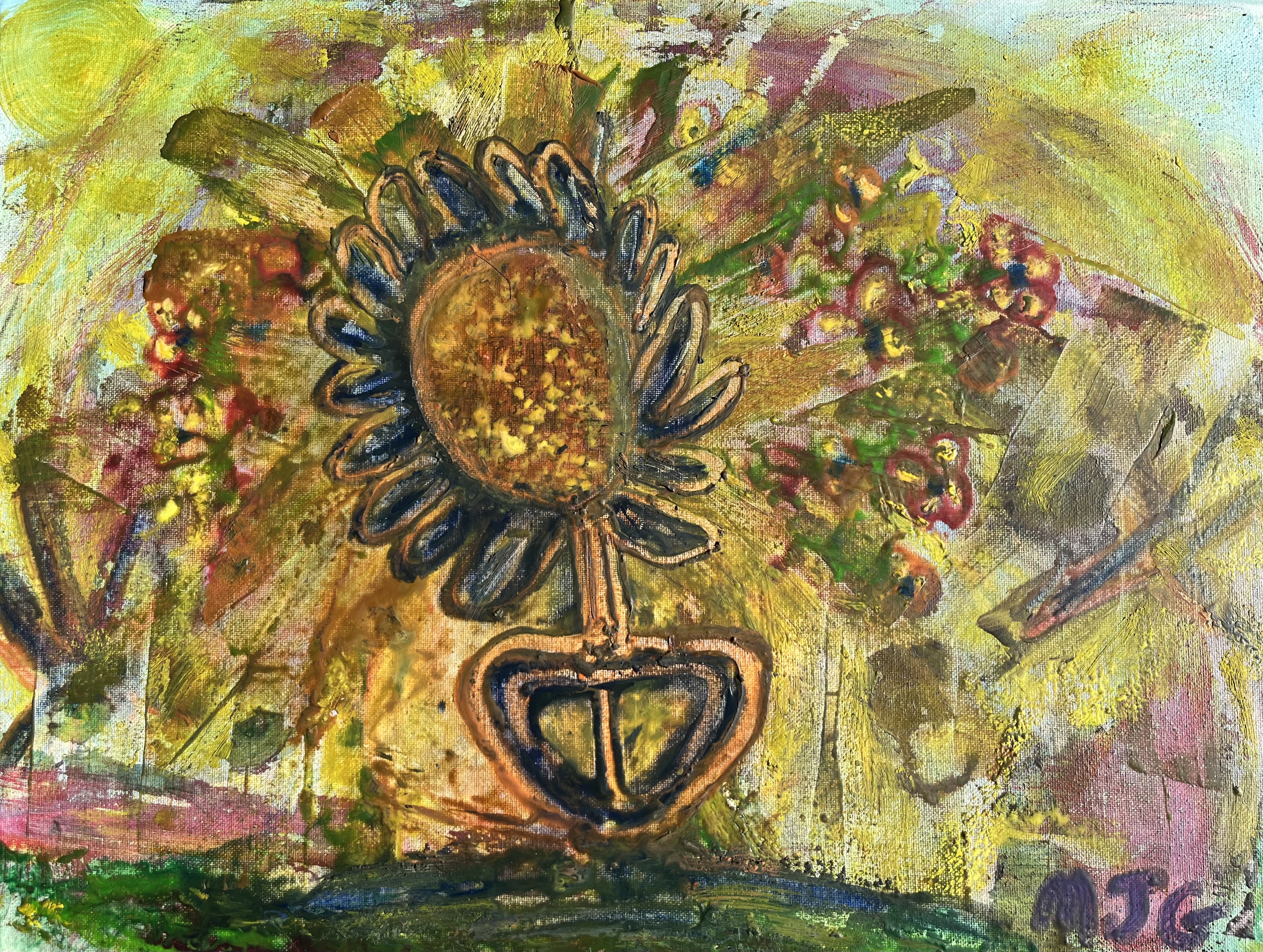
My selection of a sunflower for this painting was clearly influenced by the large fields of sunflowers nearby. Just a few miles from my home in Boyds, Maryland, USA, is the McKee-Beshers Wildlife Management Area. Managed by our Wildlife and Heritage Service, this 2,000 acre tract provides habitat for upland and forest wildlife species including white-tailed deer, wild turkeys, squirrels, songbirds, and waterfowl.
By mid-summer the large fields of sunflowers in bloom are a delight to thousands of visitors, to include those of us who enjoy capturing the scenery through painting and photography.
Sunflowers, and sunflower seeds, are a favorite food source for a host of songbirds, mammals and pollinators. Sunflowers require pollination by insects, usually bees, to produce a seed crop. In turn, honey bees and many species of our native bees, benefit from the abundant nectar and pollen that sunflowers produce.
While visually stunning, invasive flowers, to include sunflowers, can dramatically reshape the ecosystems they infiltrate. They often outcompete native flora, leading to a reduction in biodiversity. Invasive sunflowers can grow aggressively, overshadowing and outcompeting native plants for sunlight, space, and nutrients. This displacement can lead to a decline in native plant populations and the wildlife that depends on them.
 Michael Gresalfi Art